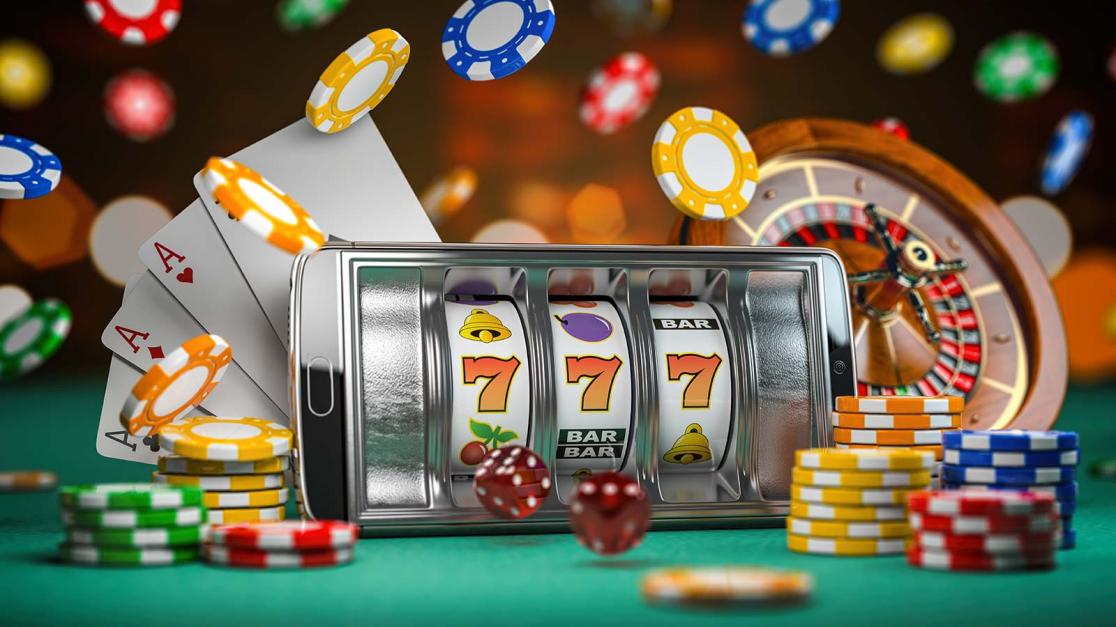
Slot games have evolved from mechanical reels in smoky casinos to sleek digital experiences available on smartphones, tablets, and desktops. As the games have become more sophisticated and accessible, so too has the need for ensuring SCRplay they are fair and unbiased. At the heart of this fairness is a critical piece of technology known as the Random Number Generator (RNG). This invisible but vital system guarantees that every spin is unpredictable, impartial, and unaffected by external factors.
In this article, we’ll explore what RNGs are, how they work, and why they are essential for maintaining fairness in modern slot games.
What Is a Random Number Generator?
A Random Number Generator (RNG) is a software algorithm designed to generate a sequence of numbers that cannot be predicted. In the context of slot games, these numbers determine the outcome of each spin. When a player clicks the “spin” button, the RNG instantly produces a number that corresponds to a particular combination of symbols on the reels.
The result is purely random—meaning the same sequence of actions will never produce the same result twice. This makes the outcome of each spin independent of the last, creating a game environment based solely on chance.
How RNGs Work in Slot Machines
Modern slot machines and online slots use pseudo-random number generators (PRNGs). These systems don’t rely on true randomness from a natural source but instead use mathematical formulas and an initial seed value to generate a sequence that appears random.
The process works as follows:
Continuous Number Generation: The RNG constantly generates numbers—even when no one is playing.
Spin Execution: The moment a player clicks the spin button, the RNG captures the current number.
Symbol Assignment: That number is mapped to a specific outcome (e.g., the symbols on the reels).
Display Result: The reels stop, and the corresponding symbols are displayed.
Because the RNG runs continuously and at high speed (often thousands of numbers per second), it’s impossible to predict or influence the outcome—even by fractions of a second.
Why RNGs Are Essential for Fairness
- Ensures Unpredictability
The primary role of an RNG is to eliminate patterns or predictability. This makes each spin a standalone event with an equal chance of winning or losing, regardless of what happened before. - Prevents Manipulation
Without an RNG, outcomes could be influenced by external factors, including the casino operator, developers, or even the player. RNGs ensure that no one can interfere with the outcome, preserving the game’s integrity. - Meets Regulatory Requirements
Licensing authorities and regulatory bodies mandate the use of certified RNGs in all slot machines. Casinos that fail to comply risk losing their license or facing legal action. Regular audits and testing of RNGs by independent labs ensure the technology functions properly and fairly.
RNGs vs Return to Player (RTP)
It’s important to understand the difference between RNG and Return to Player (RTP):
RNG determines the result of each individual spin.
RTP refers to the theoretical percentage of all wagered money a slot will return to players over millions of spins.
For example, a game with a 96% RTP is designed to return $96 for every $100 wagered over the long run. RNG ensures randomness, while RTP reflects long-term payout behavior. Together, they define how fair and balanced a slot game is over time.
Testing and Certification of RNGs
To ensure fairness and regulatory compliance, RNGs are tested and certified by third-party labs. These organizations run extensive simulations to confirm:
Random distribution of outcomes
Consistency with advertised RTP
Absence of patterns or bias
Well-known testing and certification bodies include:
eCOGRA (eCommerce Online Gaming Regulation and Assurance)
iTech Labs
GLI (Gaming Laboratories International)
TST (Technical Systems Testing)
A slot game that has passed RNG testing typically carries a certification logo on the casino site or within the game itself, offering reassurance to players.
Debunking Common RNG Myths
Despite their importance, RNGs are often misunderstood. Here are some common myths—debunked:
Myth: A machine that hasn’t paid out in a while is “due” for a win.
Fact: RNGs ensure that each spin is independent. The slot has no memory of previous outcomes.
Myth: Online slots are rigged to prevent big wins.
Fact: Reputable online casinos use licensed RNGs that are tested and verified by third-party auditors.
Myth: Timing your spin can increase your chances.
Fact: RNGs operate so quickly and unpredictably that timing has no impact on results.
RNGs in Online Slots vs Land-Based Machines
Both online and land-based slot machines use RNG technology, but the implementation can differ slightly:
Online Slots use RNG software hosted on game servers or integrated into the game engine.
Physical Slot Machines use embedded microchips to run RNG algorithms internally.
In both cases, the principle remains the same: every spin is fair, random, and independent of any outside influence.
Final Thoughts
The Random Number Generator is the unseen force that ensures every slot game is fair and truly random. By creating unpredictability and preventing manipulation, RNGs protect players and maintain the credibility of casinos—both online and off. While you can’t control or predict the outcome of a spin, you can rest assured that certified RNG systems are working behind the scenes to guarantee a level playing field for all.
 Site Title